
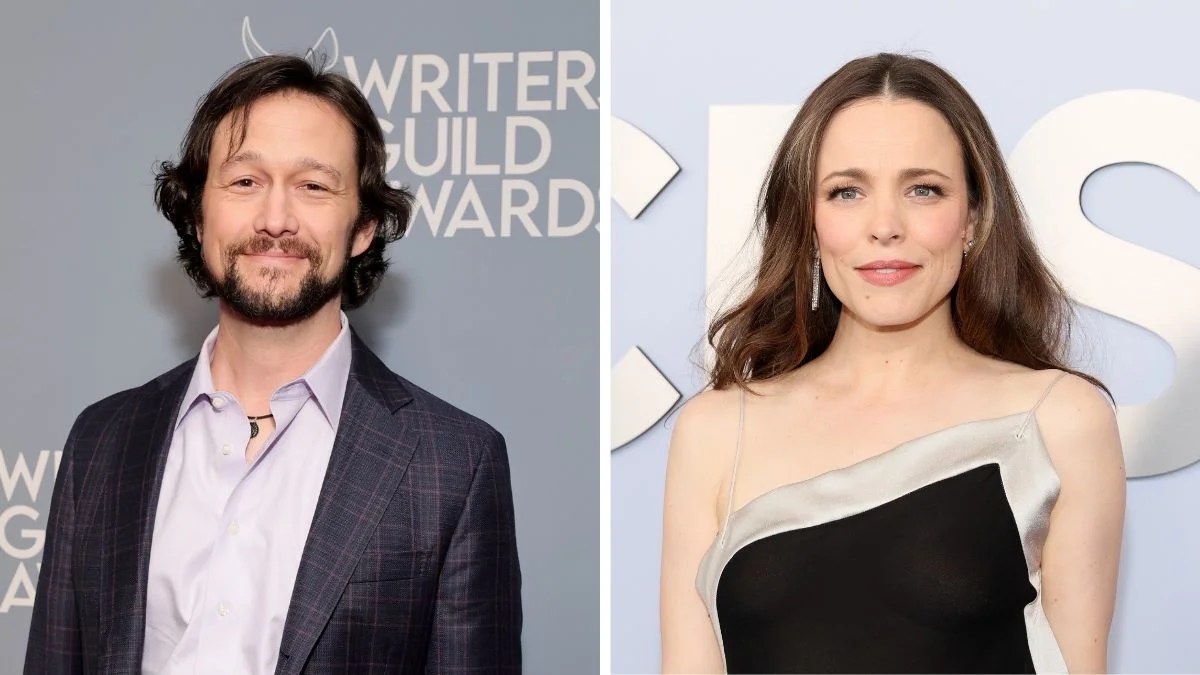
Joseph Gordon-Levitt is stepping behind the camera once again—this time with a story that hits uncomfortably close to reality. His upcoming AI thriller “2034” is officially set up at Netflix, with production kicking off on May 4, 2026.
Backed by T-Street—the banner led by Rian Johnson and Ram Bergman—the film will shoot across Belgrade and Montenegro.
🤖 Not Just Sci-Fi — A Statement on AI
Set in the near future, “2034” explores the growing friction between human creativity and machine intelligence. Early insights suggest the film doesn’t romanticize AI—instead, it leans into the unsettling question: what happens when creativity is no longer uniquely human?
Gordon-Levitt co-wrote the screenplay with Kieran Fitzgerald, continuing their collaboration after Snowden. The story also carries input from Natasha Lyonne, adding another strong creative voice to the mix.
🌟 Casting Shift & Studio Push
Rachel McAdams leads the film, stepping in after Anne Hathaway exited the project.
Netflix is reportedly treating “2034” as a priority package—meaning the creative team, vision, and financing were already aligned before the deal. With Rian Johnson and Ram Bergman producing, expectations are naturally high.
⚠️ The Bigger Context: Gordon-Levitt vs. Unchecked AI
What makes “2034” stand out is the intent behind it.
For the past few years, Gordon-Levitt has been actively challenging how AI is built and monetized:
- He frames AI as “collective intelligence”, built entirely on human-created data
- He advocates for a residual economy, where creators are paid when their work trains AI
- He has publicly pushed for stronger regulation, warning about the lack of accountability in AI development
In his view, the creative industry is just the beginning—what happens here will echo across every sector.
🔍 Why This Project Matters
“2034” isn’t just another futuristic thriller. It’s a narrative extension of a real-world debate—one that filmmakers, artists, and technologists are already living through.
If it delivers on its premise, the film could do more than entertain—it could shape how audiences think about authorship, ownership, and the future of creativity itself.